
Flashback to April 15
World History

2000
The UK fuel protests take place, with refineries blockaded, and supply to the country’s network of petrol stations halted
Read moreIn September 2000, the United Kingdom witnessed a major disruption to its fuel supplies that had far-reaching consequences. This disruption was attributed to the significant fuel protests that took place across the country and particularly targeted the nation’s refineries. The turbulent event saw fuel refineries blockaded and a halt in the supply of petrol to the network of stations right across the United Kingdom.
As a form of organized civil disobedience, the protests were triggered by the soaring prices of fuel. The UK government had increased the price of fuel significantly and motorists, as well as representatives from the haulage and farming sectors, found it unbearable and thus decided to rally against it. The United Kingdom Fuel Protests, as they have come to be known, are prime examples of how public sentiment and consumer behavior can influence government policy and corporate decisions.
Fuel is an essential resource for any nation, especially in the United Kingdom, where numerous sectors ranging from transportation to agricultural heavily rely on it. It’s due to this critical importance, the decision to halt the supply routes and the blockades at refineries were seen as an effective way to draw attention to the unjustified increase in fuel prices and the subsequent economic hardship faced by the masses.
The fuel protests initiated in the early days of September and extended to September 14th. Throughout this period, protestors took to the streets and crucial points of supply to voice their concerns and demands. Central to this was the blockade of refineries- a strategic move that effectively stalled the national supply of petrol. Protestors were successful in halting deliveries, causing a significant shortage in the supply of petrol to stations across the UK.
As a result of the blockades and protests, there were serious ramifications on daily life and the overall economy of the UK. With fuel supplies limited or non-existent, many petrol stations were forced to close or put strict rationing measures in place. Citizens experienced huge inconvenience, and panic buying of fuel ensued in many areas. Many vehicles, including crucial public transport and emergency services, were affected by the lack of fuel. Even schools and businesses faced disruption.
The fuel protests in the UK in September 2000 were not just an isolated event. They ignited a national debate on fuel pricing, taxation, and economic policies and reflected significant discontent among the public regarding these matters. The protests also highlighted the vulnerabilities in the fuel supply chain and the negative impact that any disruption in fuel supplies can have on society and economy.
The UK wasn’t the only country affected by such protests, and there have been multiple instances of similar strikes and protests in other countries, including the Yellow Vest movement in France in 2018. What these events signify is a growing concern among people about the rising costs of fuel and the ripple effect it can have on the economy and daily life.
In retrospect, the fuel protests underscore the power of collective action. Despite causing a stir and leading to a temporary crisis, the protestors were able to voice their concerns effectively and instigate a discourse on the pressing issues of fuel pricing and taxation. The severity of the protest and its impact is a testimony to the effects of escalated fuel prices on the general public and industries alike.
the United Kingdom Fuel Protests that occurred from early September to the 14th offer an unparalleled insight into the volatility of fuel prices and the fallouts of drastic fluctuations. The protests, marked by blockades at refineries and disrupted petrol supply, brought the nation’s attention to the challenges faced by ordinary citizens and industry sectors due to increasing fuel prices. Moreover, the event set the stage for discussions on sustainable and affordable energy resources.
We strive for accuracy. If you see something that doesn't look right, click here to contact us!
 Contact Us
Sponsored Content
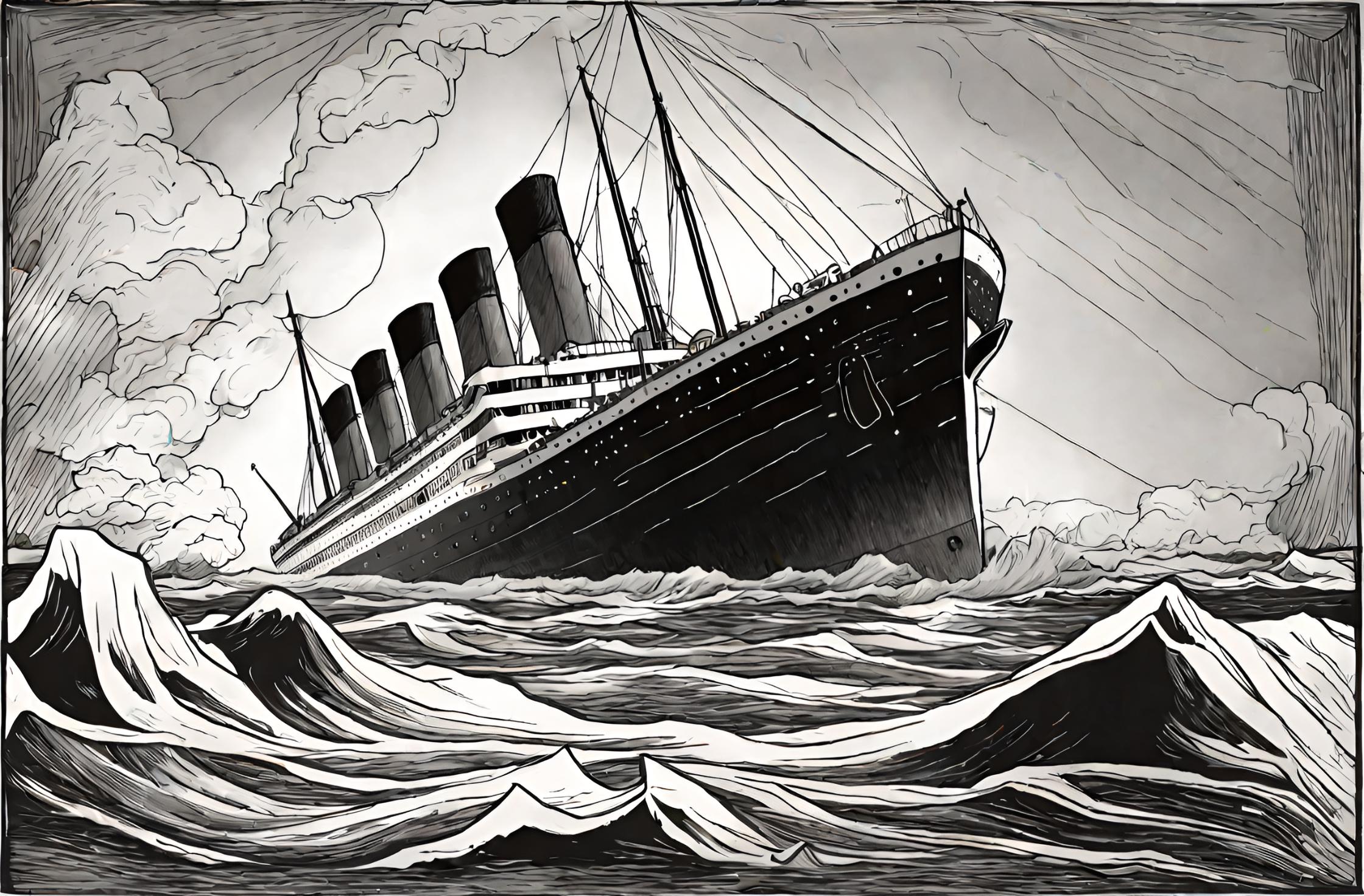
RMS Titanic sinks at…
On April 15, 1912,…
International Exposition opens in…
The International Exposition in…
Otto Brenner, German trade…
Otto Brenner, a prominent…
Ian Smith becomes premier…
On April 15, 1964,…
Earl G Andrßssy sentenced…
On April 15, 1851,…
The Bergen-Belsen concentration camp…
On April 15, 1945,…
