
Flashback to May 25
World History

On July 11, 1921, a significant event took place in Irish history – a truce was called in the Irish War of Independence. This momentous occasion marked a turning point in the long struggle for Irish independence from British rule. The truce had a profound impact on the future of Ireland and is still celebrated today on the Irish calendar.
The Irish War of Independence was a conflict that lasted from 1919 to 1921 between Irish revolutionary forces and the British government. The Irish Republican Army (IRA), led by figures such as Michael Collins, waged a guerrilla war against British forces. The aim was to establish an independent Irish republic, free from British control.
After years of violence and bloodshed, negotiations began to take place between the Irish and British governments. These negotiations culminated in the signing of a truce on July 11, 1921. The truce came as a relief to many on both sides of the conflict who were weary of the ongoing fighting and its devastating consequences.
The impact of the truce was felt immediately, as the violence and hostilities came to a halt. It provided a temporary respite for both Irish nationalists and British forces to reassess their strategies and goals. The truce allowed for a period of calm and opened up the opportunity for meaningful negotiations towards peace and a potential settlement.
The negotiation process that followed the truce resulted in the signing of the Anglo-Irish Treaty in December 1921. The treaty established the basis for the creation of the Irish Free State, a self-governing dominion within the British Empire. While the treaty fell short of complete independence, it represented a significant step towards Irish self-rule.
The signing of the Anglo-Irish Treaty also resulted in a division within the Irish nationalist movement. The treaty was met with opposition from those who believed it did not go far enough in granting full independence. This division eventually led to the Irish Civil War between supporters and opponents of the treaty.
Despite the complexities and challenges that arose following the truce, its significance cannot be understated. It marked the end of a violent conflict and paved the way for Ireland to assert its own political identity. The truce and subsequent negotiations were pivotal in shaping the course of Irish history and the eventual establishment of an independent Irish state.
To this day, the truce called in the Irish War of Independence on July 11, 1921, is commemorated on the Irish calendar. It serves as a reminder of the sacrifices made and the progress achieved towards Irish independence. The events that unfolded in the aftermath of the truce continue to shape the political landscape of both Northern Ireland and the Republic of Ireland.
the truce called in the Irish War of Independence on July 11, 1921, marked a significant turning point in the struggle for Irish independence. It provided a much-needed respite from the violence and laid the groundwork for future negotiations and ultimately the establishment of the Irish Free State. The impact of the truce is still felt today, as it is celebrated on the Irish calendar and serves as a reminder of the progress made towards Irish self-determination.
We strive for accuracy. If you see something that doesn't look right, click here to contact us!
 Contact Us
Sponsored Content
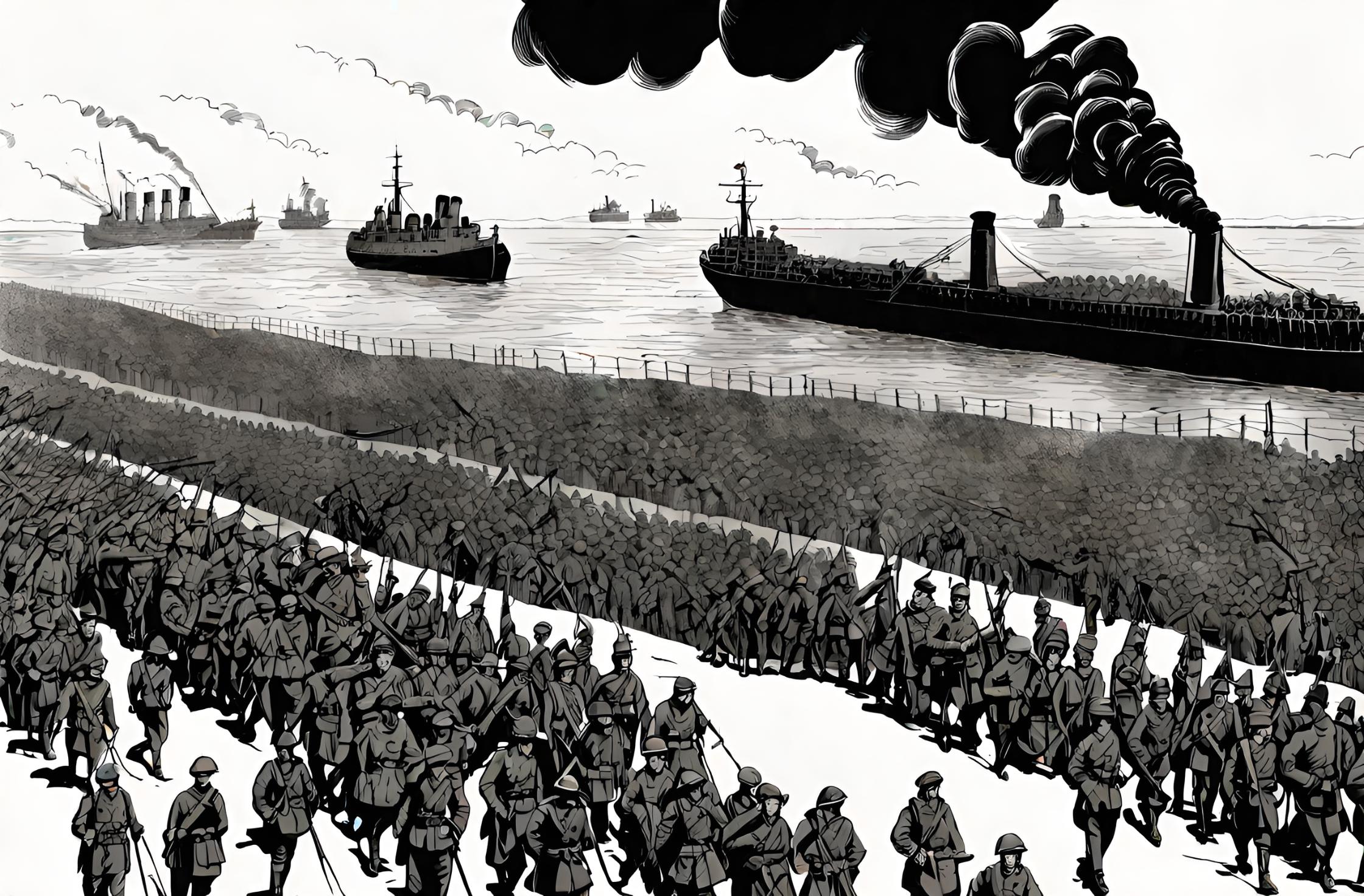
The Dunkirk Evacuation starts
Experience the pivotal 1940…
English Parliament prohibits circulation…
On 5/25/1813, the English…
NTstor Kirchner becomes President…
On May 25, 2003,…
Saint Boniface IV dies,…
On May 25, 615,…
Aldhelmus of Ealdhelm, England,…
On May 25, 709,…
Gas lamp at Paris…
On 5/25/1887, a tragic…
