
Flashback to July 30
American History
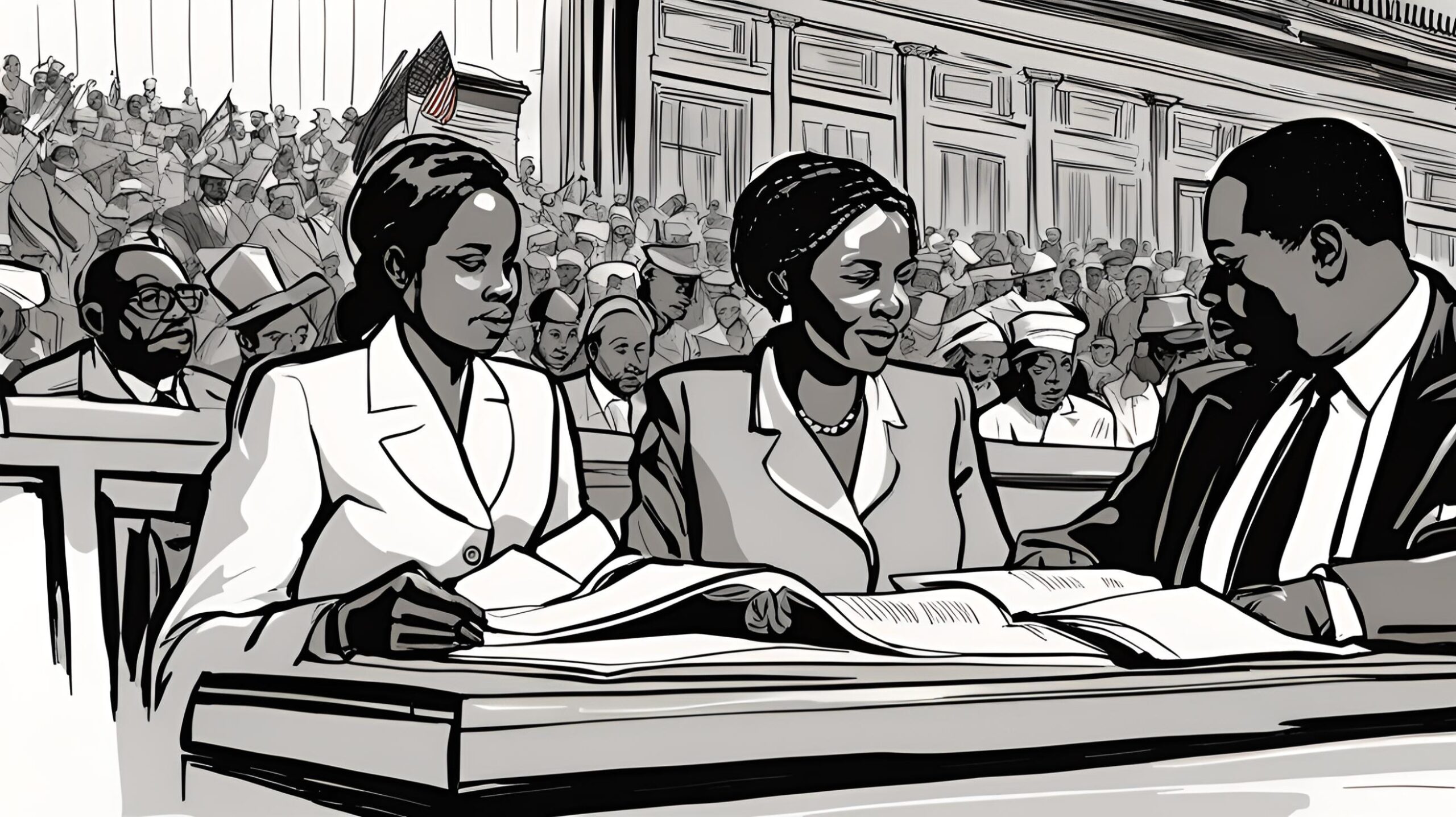
1868
The 14th Amendment to the United States Constitution is adopted guaranteeing African Americans full citizenship
Read moreOn July 28, 1868, a monumental event took place in the history of the United States that forever changed the lives of African Americans and all persons within the country. This event was the adoption of the 14th Amendment to the United States Constitution, which guaranteed African Americans full citizenship and provided all individuals with due process of law. This amendment was a significant step towards equality and justice, and its impact is still felt today.
The journey towards the adoption of the 14th Amendment began during the tumultuous period following the American Civil War. Slavery had been abolished, but African Americans still faced widespread discrimination and were not considered equal citizens under the law. The 14th Amendment aimed to rectify this injustice and establish equal protection for all citizens.
The first section of the amendment explicitly defined citizenship, stating that “all persons born or naturalized in the United States, and subject to the jurisdiction thereof, are citizens of the United States and of the State wherein they reside.” This clause made it clear that African Americans were entitled to the same rights and privileges as any other citizen of the United States.
In addition to guaranteeing citizenship, the 14th Amendment also included the due process clause, ensuring that no person within the United States could be deprived of life, liberty, or property without the proper legal procedures. This clause meant that all individuals, regardless of race, were entitled to fair treatment and a fair trial.
The adoption of the 14th Amendment was not without controversy, as it faced opposition from many who resisted granting equal rights to African Americans. However, this amendment marked a turning point in American history and was a crucial step towards ensuring equality and justice for all.
In the years following its adoption, the 14th Amendment played a vital role in various landmark Supreme Court decisions that further expanded the rights and protections of African Americans and all individuals. For example, the case of Brown v. Board of Education in 1954 relied heavily on the equal protection clause of the 14th Amendment to overturn the doctrine of “separate but equal” and pave the way for desegregation in schools.
The 14th Amendment’s impact extends beyond racial equality. It has been invoked in numerous cases involving individual liberties, such as the right to privacy and the rights of the LGBTQ+ community. The due process clause also ensures that everyone is entitled to a fair and impartial legal system, serving as a safeguard against arbitrary government actions.
We strive for accuracy. If you see something that doesn't look right, click here to contact us!
 Contact Us
Sponsored Content

US President Franklin Roosevelt…
On July 30, 1942,…

First US yacht club…
On July 30, 1844,…
Execution of Joseph Johnson
On July 30, 1964,…
K Reinmuth discovers asteroid…
On July 30, 1922,…
US Army accepts delivery…
On July 30, 1909,…
American Civil War: Battle…
On July 30, 1864,…
