
Flashback to May 1
American History

On June 29, 1972, a landmark decision was reached by the United States Supreme Court, which declared that the death penalty usually constitutes “cruel and unusual punishment.” This ruling marked a turning point in the nation’s legal and criminal justice system, and it continues to shape the debate on capital punishment to this day.
The decision was made in the case of Furman v. Georgia, where William Henry Furman, a 26-year-old African American, was found guilty of murder during the commission of a burglary. Furman was sentenced to death, which sparked a series of appeals that ultimately led the case to the highest court in the land.
In a 5-4 decision, the Supreme Court ruled that the death penalty, as it was being applied at the time, violated the Eighth Amendment of the United States Constitution, which prohibits cruel and unusual punishment. Writing for the majority, Justice William O. Douglas argued that the arbitrary and discriminatory nature of capital punishment rendered it unconstitutional.
The Court’s decision in Furman v. Georgia effectively abolished the death penalty at the federal level and in several states that had similar statutes. However, it did not ban the death penalty outright; rather, it required states to revise their capital punishment laws to meet the Court’s standards of fairness and non-discrimination.
In response to the ruling, many states enacted new legislation to address the issues raised by the Court. These revised laws introduced a system of guided discretion, designed to ensure that the imposition of the death penalty was fair and consistent. States also sought to address racial disparities in sentencing by implementing stricter standards for determining death eligibility.
The decision in Furman v. Georgia had far-reaching implications for the nation’s criminal justice system. It prompted a nationwide reevaluation of capital punishment and led to a significant decline in the use of the death penalty. Many states imposed moratoriums on executions while they worked to revise their laws, and some even went as far as to temporarily commute death sentences to life imprisonment.
However, the fight over the death penalty did not end with the Furman decision. Just four years later, in Gregg v. Georgia, the Supreme Court upheld the constitutionality of new death penalty statutes that had been drafted in response to Furman. This ruling effectively reinstated the death penalty, albeit under a new framework that was intended to address the concerns raised by the Court in Furman.
Since then, the death penalty has remained a divisive issue in the United States. Proponents argue that it serves as an effective deterrent and a just punishment for the most heinous crimes. They also contend that it provides closure to victims’ families and society as a whole. On the other hand, opponents argue that the death penalty is inherently cruel, prone to error, and disproportionately applied to marginalized communities.
The Furman decision continues to shape the ongoing debate surrounding capital punishment. It highlighted the need for fairness and consistency in the imposition of the death penalty and underscored the importance of ensuring that it is not applied arbitrarily or discriminatorily. It also emphasized the vital role of the Supreme Court in safeguarding the rights of individuals and upholding the principles enshrined in the Constitution.
the United States Supreme Court’s ruling on June 29, 1972, in the case of Furman v. Georgia, marked a significant milestone in the nation’s history. By declaring the death penalty usually constitutes “cruel and unusual punishment,” the Court initiated a series of legal and legislative reforms that continue to shape the debate on capital punishment. Though the decision did not eradicate the death penalty, it set into motion a process of reconsideration and revision that sought to ensure fairness and non-discrimination in its application. The implications of Furman v. Georgia are still felt today, as the nation grapples with the complexities and controversies surrounding the death penalty.
We strive for accuracy. If you see something that doesn't look right, click here to contact us!
 Contact Us
Sponsored Content
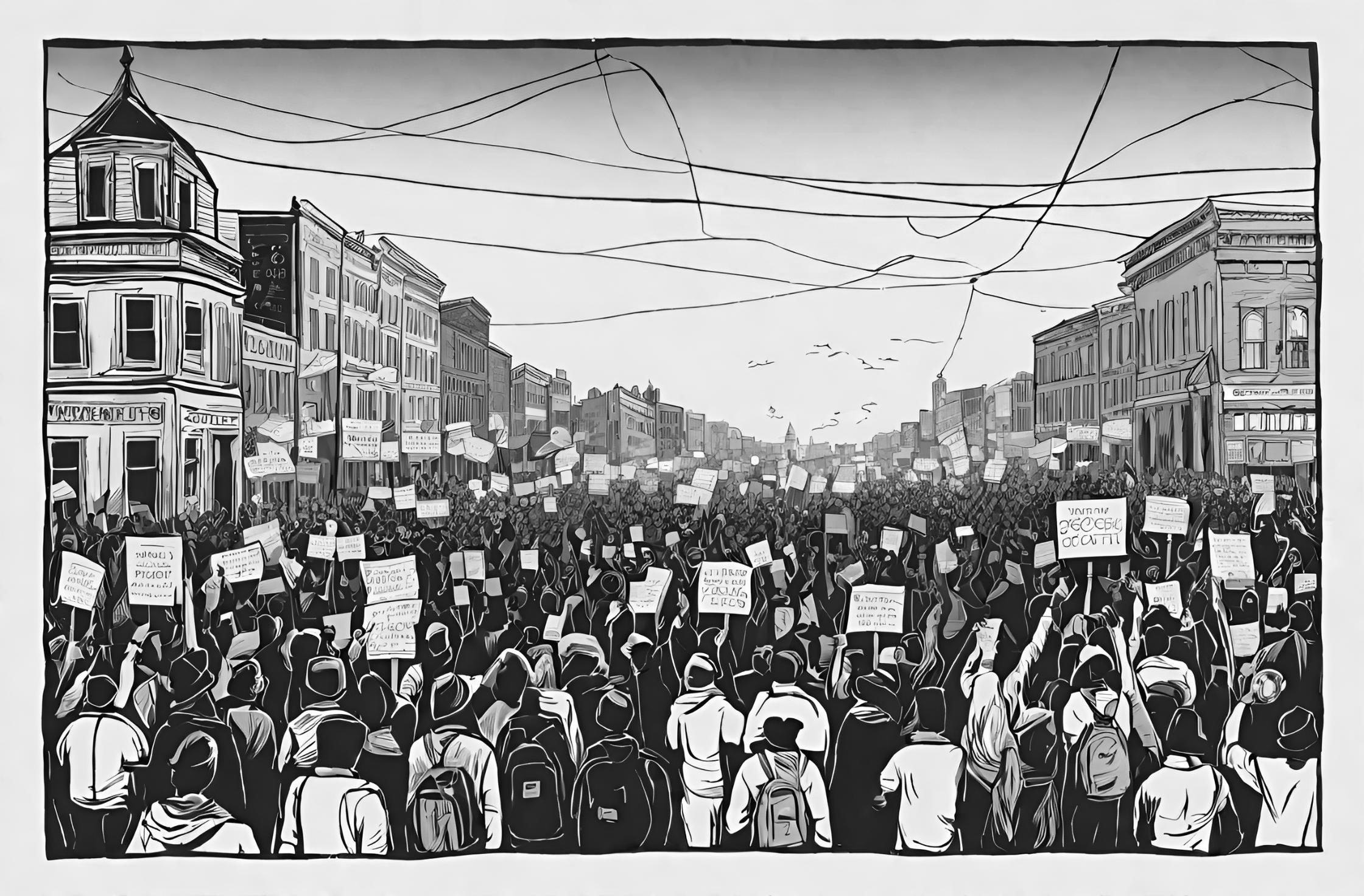
The Great American Boycott…
The Great American Boycott…
US President Ronald Reagan…
On May 1, 1985,…
First US postal card…
On May 1, 1873,…
238 members of “Whiskey…
On May 1, 1875,…
Union Army captain David…
On May 1, 1862,…
The British colonies abolish…
On 5/1/1834, a significant…
