
Flashback to April 1
American History
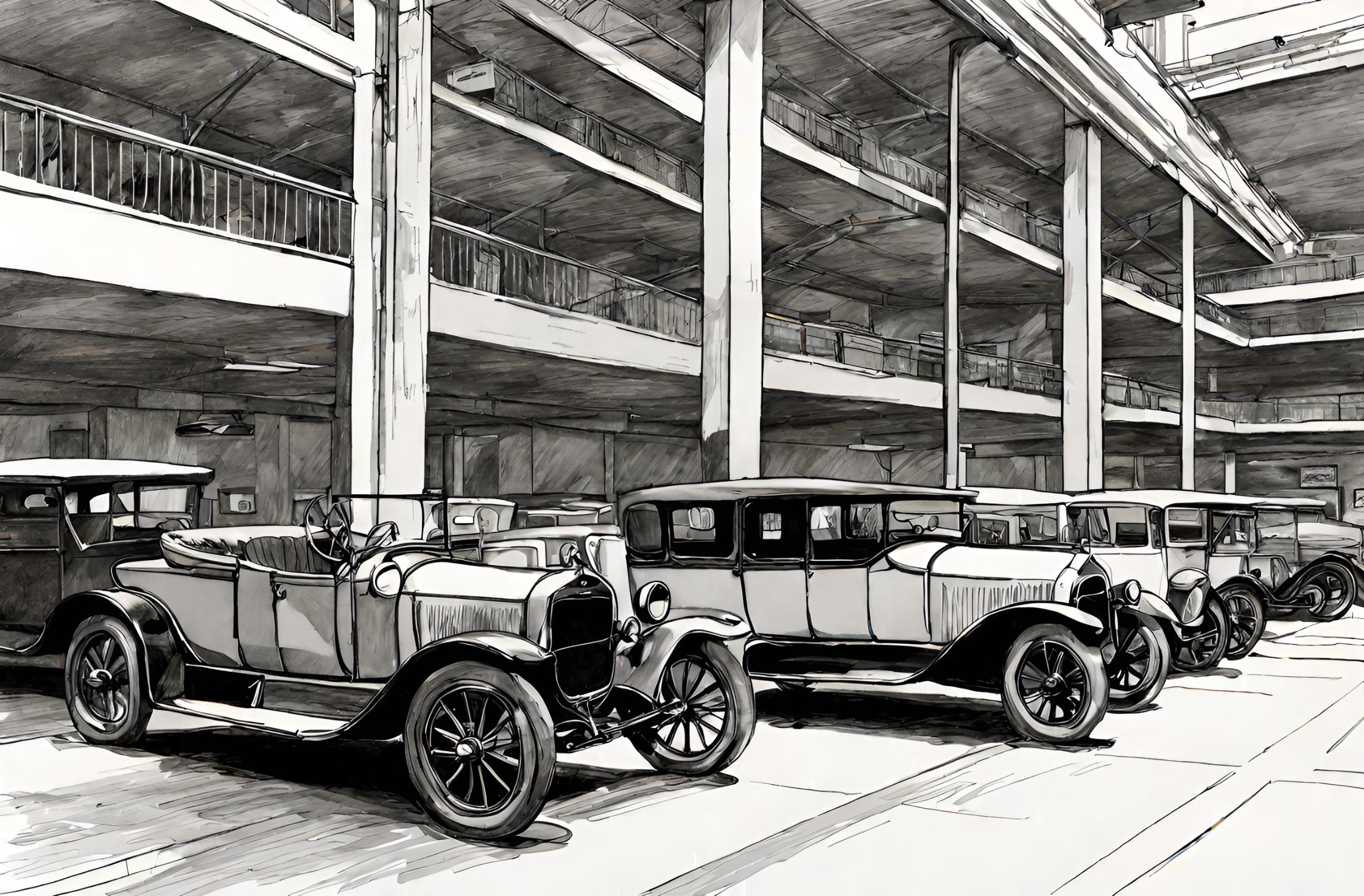
1899
The first public parking garage in the United States is opened in Boston, Massachusetts
Read moreOn May 24, 1899, a significant event took place in the city of Boston, Massachusetts. It was the day when the first public parking garage in the entire United States was opened, marking a breakthrough in urban infrastructure and transportation. This newly established parking facility revolutionized the way people accessed and stored their vehicles, setting the stage for modern-day parking systems. Let us delve into the details and significance of this milestone in history.
During the late 19th century, as cities expanded and horse-drawn carriages were increasingly replaced by automobiles, the need for dedicated parking spaces became evident. Boston, being a thriving city with a rapidly growing population, faced challenges in finding sufficient parking options for its residents and visitors. In response to this need, a forward-thinking real estate developer named William Whitney established the first public parking garage in the U.S.
Located near the corner of Boylston and Charles Streets, this garage caught the attention of the public due to its innovative design and functional features. The five-story building had a capacity to accommodate over one hundred vehicles—a significant number for that time. It featured ramps that allowed drivers to conveniently access upper levels, making it efficient and user-friendly.
Up until this point, parking was a chaotic and unregulated affair in cities, with vehicles being left on the streets or stored in makeshift garages. The establishment of the first public parking garage in Boston brought much-needed order and convenience to vehicle owners. It offered them a secure space to park their cars, protecting them from theft and damage. This development not only addressed the parking woes but also played a crucial role in encouraging the ownership and usage of automobiles, which were becoming increasingly popular during that period.
The introduction of the parking garage had far-reaching implications beyond just parking convenience. It helped reduce traffic congestion on the streets as vehicles were no longer abandoned haphazardly. This, in turn, led to improved traffic flow and a safer environment for pedestrians. Additionally, the availability of parking spaces near commercial areas boosted economic activity as people could now easily access shops and businesses without the hassle of finding parking.
The success of Boston’s first public parking garage sparked a trend across the country, with many other cities following suit and constructing their own parking facilities. As the importance of parking infrastructures became apparent, innovations in design and functionality continued to shape the industry. Over time, these garages underwent various advancements, including multi-level structures, automated systems, and technological integrations, all aimed at enhancing efficiency and maximizing space.
Today, parking garages have become an integral part of urban landscapes, and they continue to evolve in response to the ever-increasing number of vehicles. From traditional parking garages to automated robotic systems and smart parking solutions, the industry is continuously adapting to the changing demands of urban mobility. However, it is essential to recognize and appreciate the significance of Boston’s first public parking garage, which paved the way for these developments.
We strive for accuracy. If you see something that doesn't look right, click here to contact us!
 Contact Us
Sponsored Content

CBS fires sportscaster Brent…
CBS fired sportscaster Brent…

New York City’s newspapers…
After a 114-day strike,…
Samuel Morey patents internal…
On April 1, 1826,…
Robert the Hermit US…
Robert the Hermit, a…
