
Flashback to May 25
World History

On May 2, 1921, an event of great significance took place in the region of Upper Silesia, known as the third anti-German revolt. This event marked a pivotal moment in the struggle for control over the region, as tensions between the Polish and German populations reached their peak. In this article, we will delve into the details of this historical event and explore its implications.
The dispute over Upper Silesia can be traced back to the aftermath of World War I when the region was caught between the newly formed nations of Poland and Germany. The population of Upper Silesia was diverse, with a mix of Poles, Germans, and other ethnic groups residing in the area. This diversity, along with its rich industrial resources, made Upper Silesia a highly contested and sought-after territory.
The first two anti-German revolts in 1919 and 1920 had already set a precedent for the tensions in the region. However, it was the third revolt in 1921 that escalated the conflict to new heights. The Polish population, feeling marginalized and oppressed by the German administration, rose up against German authority and demanded their right to self-determination.
The revolt began with protests and demonstrations across Upper Silesia. Polish activists organized strikes and boycotts, disrupting the German administration and economy. Their aim was to gain control over the region and have it incorporated into the newly established Polish state. On the other side, German nationalists vehemently resisted any form of Polish influence and fought to maintain German control over the area.
As the revolt escalated, violence between the Polish and German populations broke out. Both sides engaged in acts of aggression, resulting in numerous casualties and widespread destruction. The situation quickly escalated into a full-blown conflict, with both Polish and German paramilitary forces being deployed to assert their dominance.
The revolt took a toll on the civilian population, as many families were displaced and forced to flee their homes. The fear and uncertainty caused by the violence created an atmosphere of tension and fear throughout the region. Moreover, the revolt also had devastating economic consequences, as industries and businesses were severely affected by the disruption caused by the protests and clashes.
Amidst the chaos, the League of Nations intervened to mediate a peaceful resolution to the conflict. A plebiscite was proposed as a means to determine the future of Upper Silesia. The plebiscite took place in March 1921, allowing the local population to decide whether they wanted to join Germany or Poland. The results were a close call, with a slight majority voting in favor of Germany. However, the distribution of votes along ethnic lines raised concerns, as many Polish activists claimed that the plebiscite had been unfair.
This controversy only served to further exacerbate tensions between the Polish and German communities in Upper Silesia. The third anti-German revolt was ultimately quelled with the intervention of international forces, but it left a lasting impact on the region. The conflict highlighted the deep-seated ethnic and national divisions that plagued Upper Silesia and set the stage for future tensions between Poland and Germany.
the third anti-German revolt in Upper Silesia on May 2, 1921, was a significant event that intensified the struggle for control over the region. The revolt showcased the deep-rooted tensions between the Polish and German populations, leading to widespread violence and destruction. Ultimately, the conflict was resolved through a plebiscite, although the results remained contentious. The revolt left a lasting impact on the region, further fueling the animosity between the Polish and German communities in Upper Silesia.
We strive for accuracy. If you see something that doesn't look right, click here to contact us!
 Contact Us
Sponsored Content
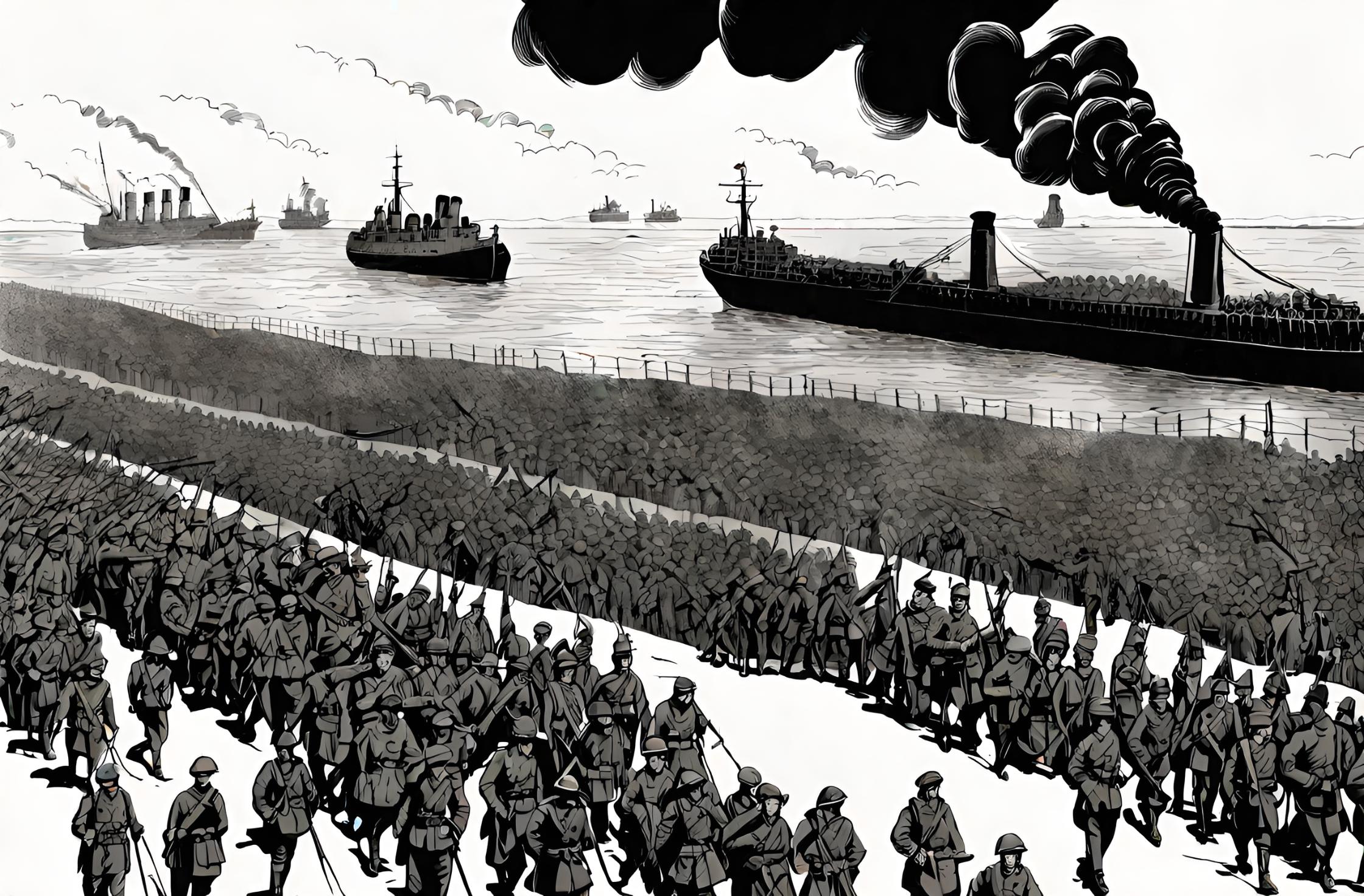
The Dunkirk Evacuation starts
Experience the pivotal 1940…
English Parliament prohibits circulation…
On 5/25/1813, the English…
NTstor Kirchner becomes President…
On May 25, 2003,…
Saint Boniface IV dies,…
On May 25, 615,…
Aldhelmus of Ealdhelm, England,…
On May 25, 709,…
Gas lamp at Paris…
On 5/25/1887, a tragic…
