
Flashback to April 10
World History

On April 8, 1977, a significant event occurred in the history of Israel as its premier, Yitzhak Rabin, resigned from his position. This event marked a turning point in Israeli politics and had far-reaching consequences for the country and the Middle East as a whole. In this article, we will explore the circumstances surrounding Yitzhak Rabin’s resignation and the impact it had on Israel.
Yitzhak Rabin had been serving as the premier of Israel since June 1974, leading the country through a challenging period, with ongoing conflicts and a volatile political landscape. However, on that fateful day in April 1977, Rabin made the decision to step down from his position, shocking the nation and the international community.
One of the key factors that led to Rabin’s resignation was the mounting tensions and dissatisfaction within his own party, the Alignment. Many within the party felt that Rabin’s leadership had not brought about the desired results in terms of addressing the economic challenges Israel was facing, as well as the ongoing conflict in the region.
Additionally, Rabin’s government faced criticism for its handling of the peace process with neighboring Arab countries. Some felt that Rabin had not done enough to further the cause of peace and failed to make significant progress on negotiations. These criticisms further strained Rabin’s position and created divisions within his own party.
Furthermore, the political landscape in Israel was changing rapidly during this time, with new political parties emerging and challenging the dominance of the Alignment. Menachem Begin’s Likud party gained significant popularity and was seen as a viable alternative to the ruling Alignment. This political shift posed a threat to Rabin’s leadership and influenced his decision to resign.
Rabin’s resignation had immediate repercussions in Israel. It led to the collapse of his government and triggered early elections, which were held in May 1977. The outcome of these elections was significant, with Likud achieving a historic victory, ending the Alignment’s decades-long dominance in Israeli politics. Menachem Begin became the new prime minister, marking a notable shift in the country’s political ideology and approach to governance.
The impact of Rabin’s resignation was not limited to Israel’s internal politics. It had wider implications for the Middle East as well. Rabin’s resignation was seen by some as a setback for the peace process, as he had been seen as one of the more moderate voices in Israeli politics. This change in leadership raised concerns about the future direction and stability of the region.
Despite the challenges and setbacks that followed Rabin’s resignation, it is essential to recognize his significant contributions to Israeli society and politics. Rabin played a crucial role in various military and political positions throughout his career, including serving as the Chief of Staff of the Israeli Defense Forces during the 1967 Six-Day War. He was also a key figure in negotiating the Oslo Accords in the 1990s, which aimed to establish peace between Israel and Palestine.
Tragically, Rabin’s political career was cut short when he was assassinated in 1995. His assassination further highlighted the deep divisions within Israeli society and served as a stark reminder of the challenges faced in pursuing peace in the region.
Yitzhak Rabin’s resignation as the premier of Israel on April 8, 1977, was a significant event in the country’s history. It marked a turning point in Israeli politics, with far-reaching consequences for both domestic and regional dynamics. Rabin’s resignation led to a change in leadership and a significant shift in Israeli politics, with the Likud party forming the new government. Despite the challenges that followed, Rabin’s contributions and his pursuit of peace continue to resonate in the collective memory of Israel.
We strive for accuracy. If you see something that doesn't look right, click here to contact us!
 Contact Us
Sponsored Content
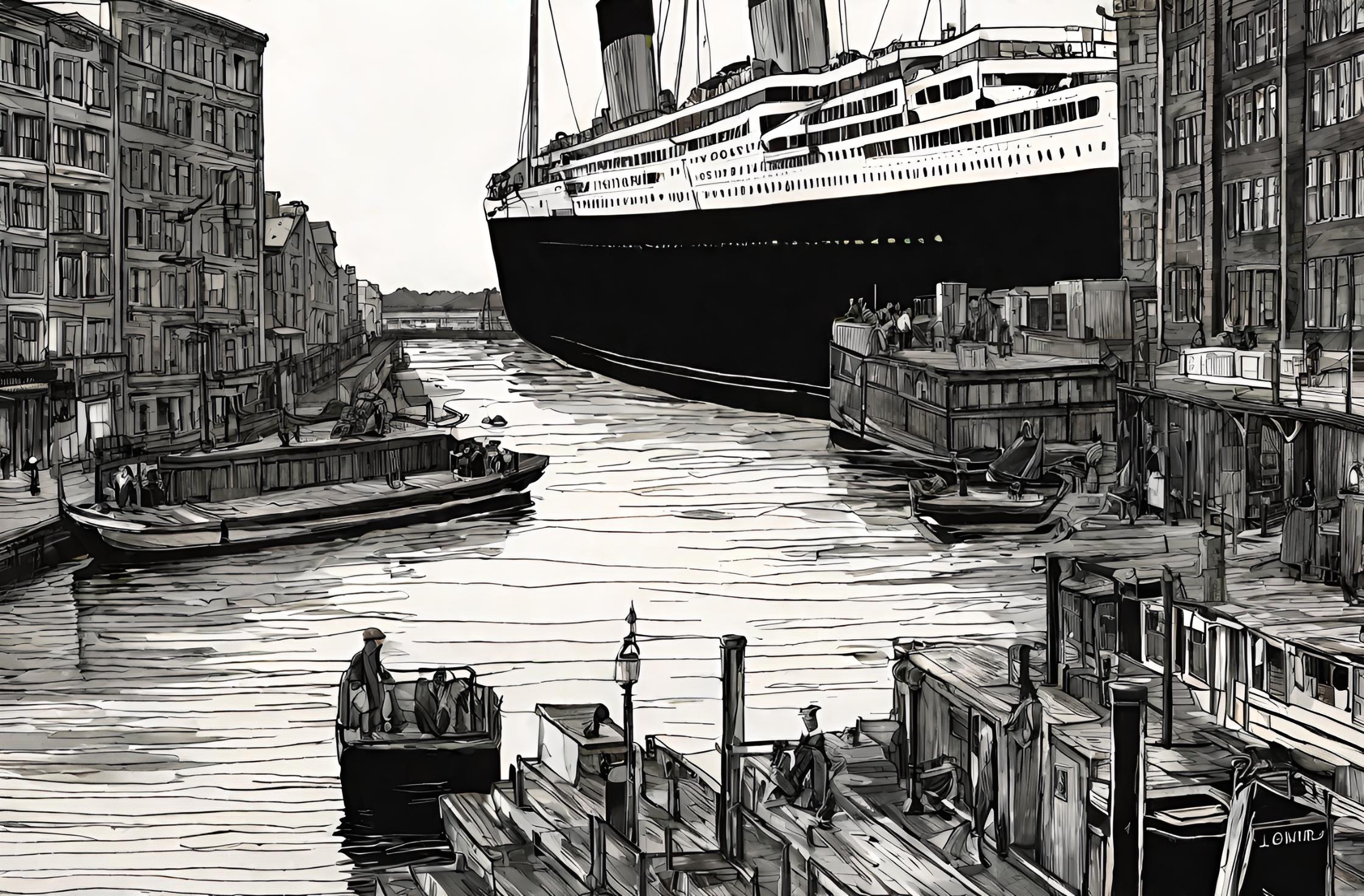
The RMS Titanic leaves…
On April 10, 1912,…
Claude F Tserclaes South…
On April 10, 1723,…
The Polish presidential Tupolev…
On 4/10/2010, tragedy struck…
Jewish Hagana repels an…
On April 10, 1948,…
Austria declares war on…
"Austria and Naples clash…
First election for Japanese…
The first election for…
